
By
Super User
Best Travel Guide To Hamar Tribe and Cultural People In Omo Valley, Ethiopia Tour
Best Travel Guide To Hamar Tribe and Cultural People In Omo Valley, Ethiopia Tour | Hamar Tribe Cattle-leaping and Whipping Rituals to Adulthood - Omo Valley Ethiopia:
The Hamar (or Hamer) Tribe - population about 50,000 - are pastoral semi-nomadic people living in the Omo River Valley. The rites of passage to adulthood of the Hamar Tribe Rituals include cattle leaping and young Hamar women getting whipped to prove their love for their kinsmen.
A Hamar man comes of age by leaping over a line of cattle. It’s the ceremony that qualifies him to marry, own cattle, and have children. The timing of the ceremony is up to the man’s parents and happens after harvest. As an invitation, the guests receive a strip of bark with several knots – one to cut off for each day that passes in the run-up to the ceremony. They have several days of feasting and drinking sorghum beer in prospect.
On the afternoon of the leap, the man’s female relatives demand to be whipped as part of the ceremony. The girls go out to meet the Maza, the ones who will whip them – a group of men who have already leaped across the cattle, and live apart from the rest of the tribe, moving from ceremony to ceremony. The whipping appears to be consensual; the girls gather around and beg to be whipped on their backs. They don’t show the pain they must feel and they say they’re proud of the scars. They would look down on a woman who refuses to join in, but young girls are discouraged from getting whipped.
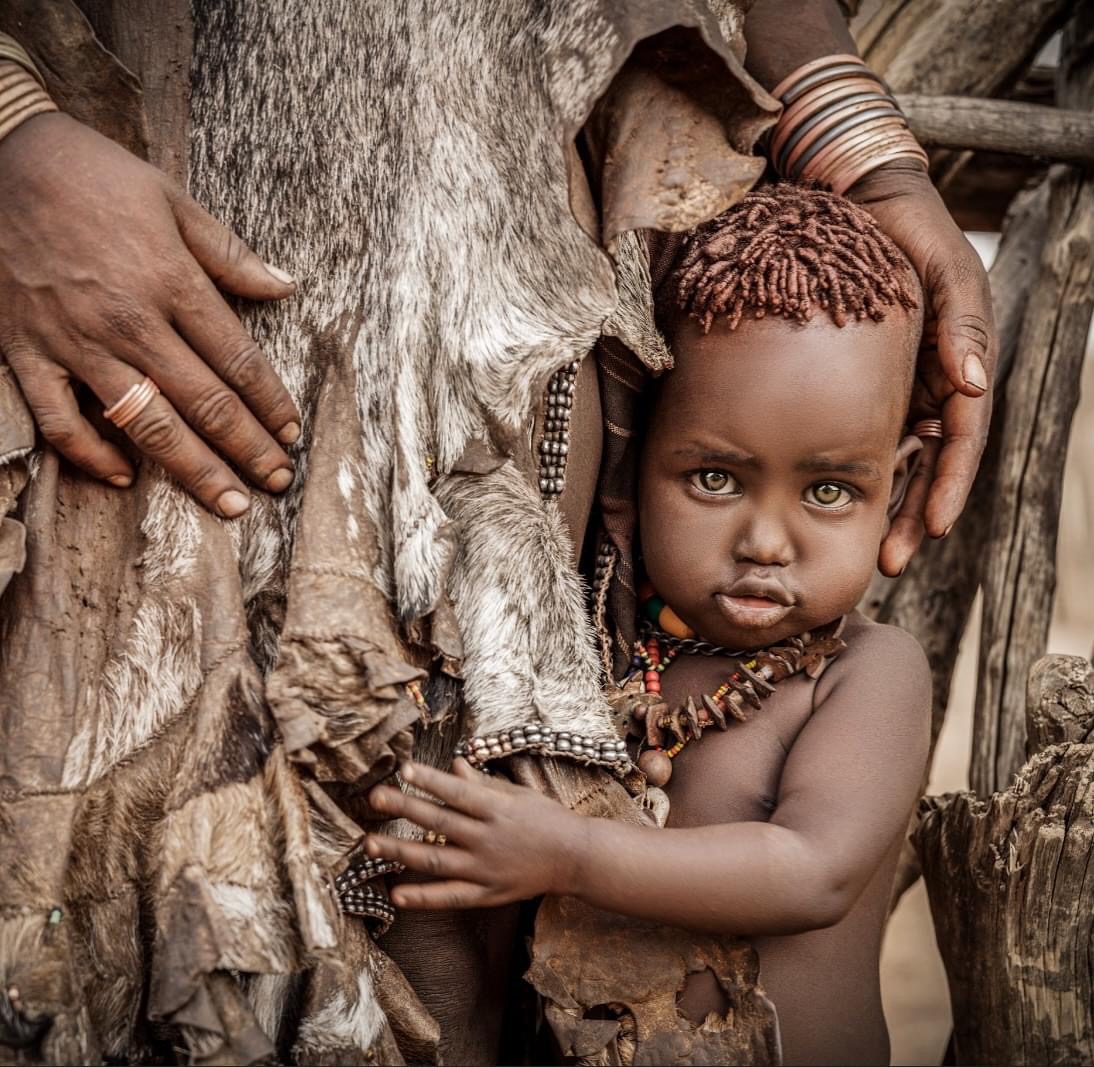
Hamar parents have a lot of control over their sons, who herd the cattle and goats for the family. It’s the parents who permit the men to marry, and many don’t get married until their mid-thirties. Girls, on the other hand, tend to marry at about 17. When a man wants to marry he has to give a ‘bride wealth’ which is a payment made to the woman’s family and generally made up of goats, cattle, and guns. If a man can afford the bride's wealth, he can have three or four wives. on the contrary, Women are allowed to only marry one man.
One effect of this ritual whipping is to create a strong debt between the young man and his sisters. If they face hard times in the future, he’ll remember them because of the pain they went through at his initiation. Her scars are a mark of how she suffered for her brother.
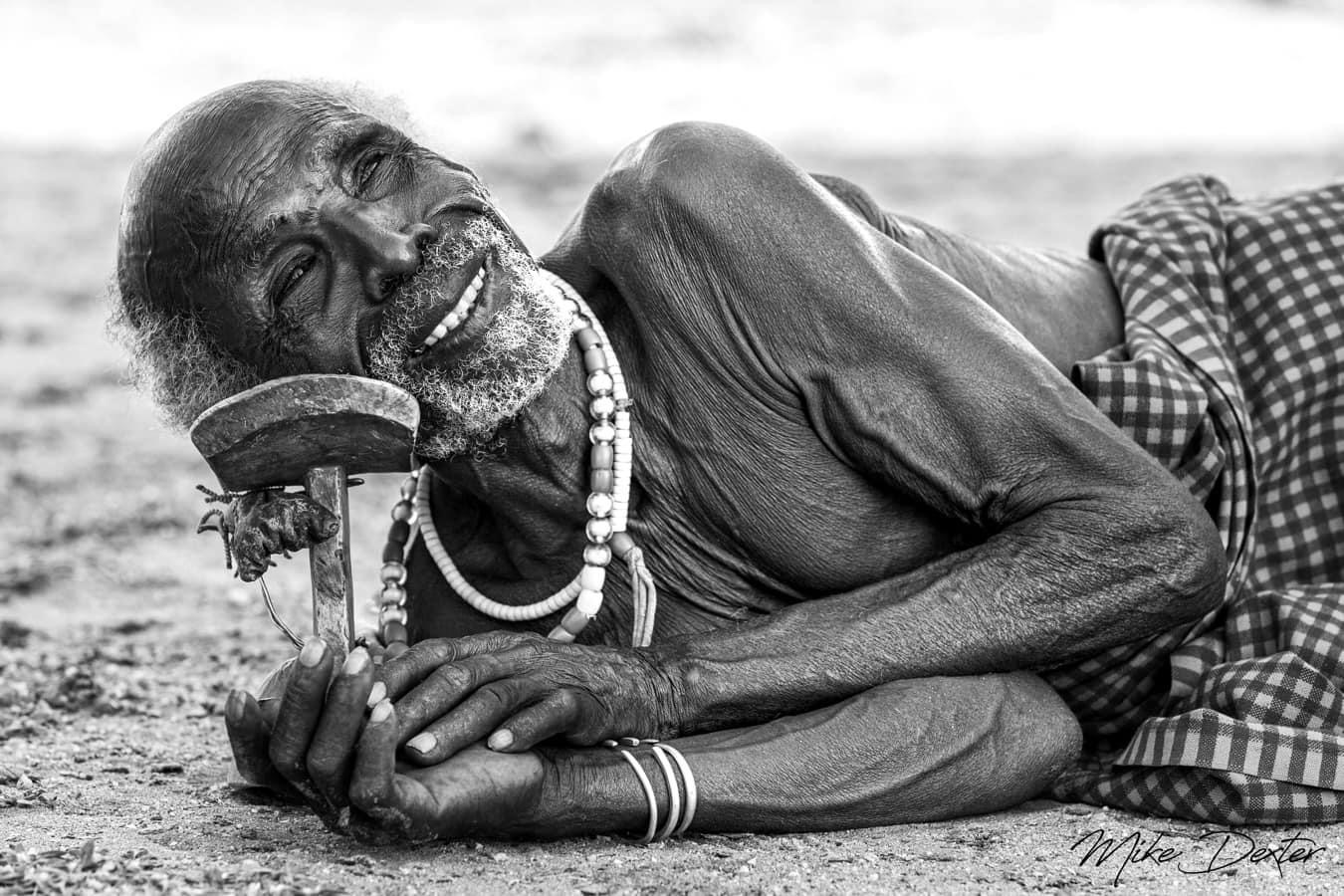
As for the young man leaping over the cattle, before the ceremony his head is partially shaved, he is rubbed with sand to wash away his sins, and smeared with dung to give him strength. Finally, strips of tree bark are strapped around his body in a cross, as a form of spiritual protection.
Meanwhile, the Maza and elders line up about 15 cows and castrated male cattle, which represent the women and children of the tribe. The cattle in turn are smeared with dung to make them slippery. To come of age, the man must leap across the line many times. If he falls it is a shame, but he can try again. If he is blind or lame he will be helped across the cattle by others. Only when he has been through this initiation rite can he marry the wife chosen for him by his parents, and start to build up his herd. Once his marriage has been agreed upon he and his family are indebted to his wife’s family for marriage payments in goats and cattle.
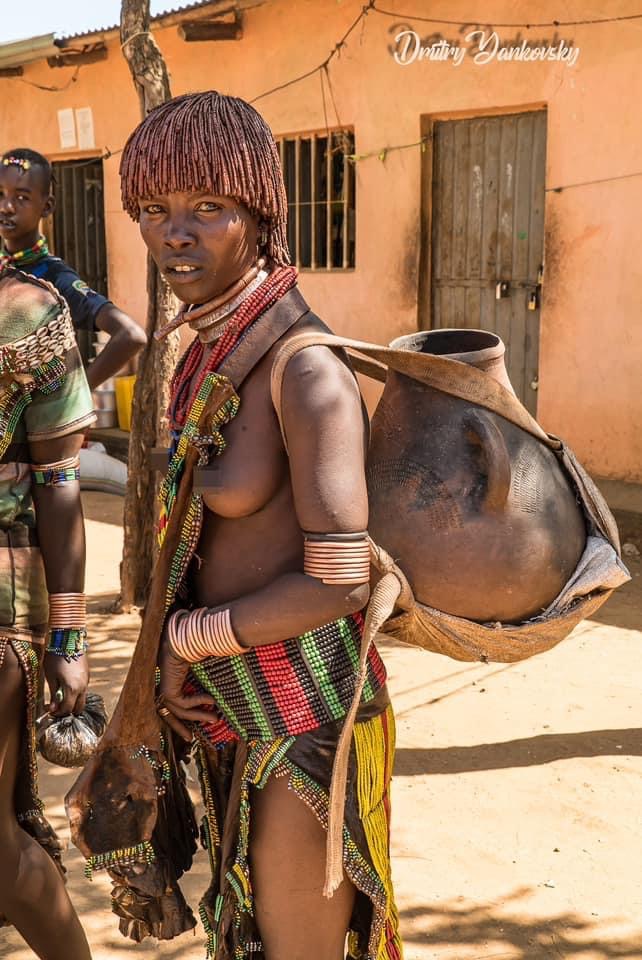
At the end of the leap, he is blessed and sent off with the Maza who shave his head and make him one of their number. His kinsmen and neighbors decamp for a huge dance. It’s also a chance for large-scale flirting. The girls get to choose who they want to dance with and indicate their chosen partner by kicking him on the leg.
Women whipping doesn’t stop at rituals. Wife beating is an accepted part of life rather than a taboo, and the convention is that a man will not generally tell his wife why she is being whipped. On the other hand, if a beating is severe then family or neighbors will step in; and after a couple has had two or three children, the beating stops.
For Bookings and inquiries, kindly contact;
Email: This email address is being protected from spambots. You need JavaScript enabled to view it.
Mobile: +256 705 087 906 / 760 282 342


