
By
Super User
Best Travel Guide To Masai Mara National Reserve Wildlife in Kenya
Best Travel Guide To Masai Mara National Reserve Wildlife in Kenya
Looking for an out-of-African experience? Travel to the magical Masai Mara in Kenya. Travelers witness herds of wildebeests, zebras, and antelopes move across the savanna of the Maasai Mara, see endangered animals up close, and spot Africa's ‘Big Five’ - the lions, leopards, elephants, rhinos, and African buffaloes.
The grand Maasai Mara is a UNESCO World Heritage Site and Kenya’s top wildlife destination. Get to spend mornings and evenings game viewing in Kenya’s finest wildlife park. The game drives take you in search of Africa’s big five and other wildlife inhabiting this vast Kenyan game reserve. You will have enough time to explore remote corners in your 4×4 Toyota Land Cruiser and appreciate all moments, which make a safari in the Mara a memorable experience.
It is a part of the greater Serengeti-Mara ecosystem and shares a border with the famous Tanzanian national park the Serengeti. This entire region of the world is tremendous for wild game and is home to millions of large animals. In this guide, we’ll cover the basics of a safari in the reserve.
Situated in the southwest of Kenya, covering an area of 1,510 square km (583 square miles), the Masai Mara National Reserve is a land of breathtaking vistas, abundant wildlife, and endless plains. The quintessential Masai Mara safari delivers many attractions, as the reserve is home to an excellent year-round concentration of game, including the more than two million wildebeest, zebras, and other antelopes that make up the famous Great Migration. &Beyond owns 2 lodges in the Masai Mara; Kichwa Tembo Tented Camp and Bateleur Camp.
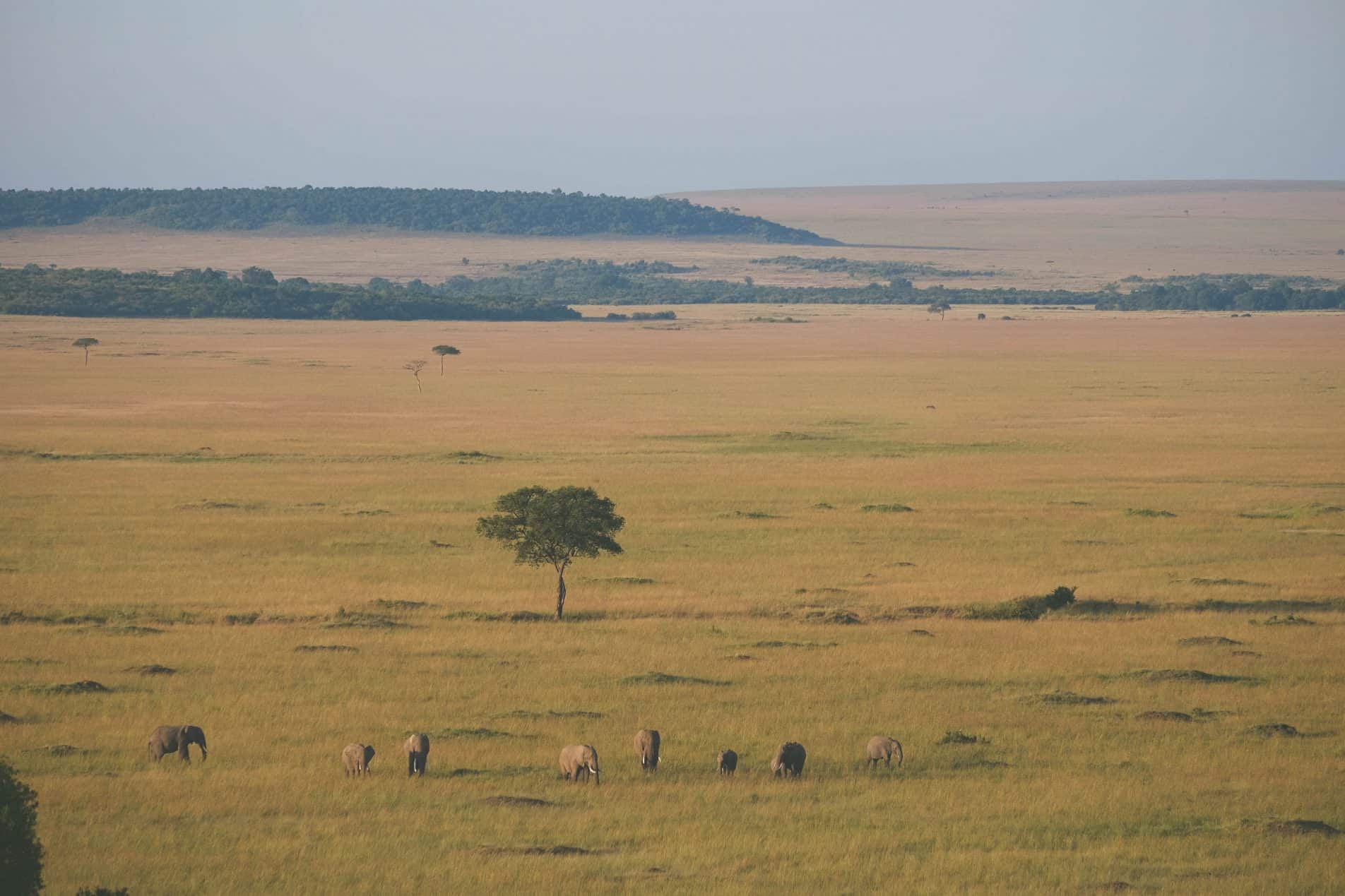
Masai Mara landscape;
The landscape of the Mara is largely open grasslands with seasonal rivers cutting through. Covering 1,510 square km or 583 square miles the park occupies a small section of the greater Serengeti-Mara ecosystem. At the southernmost border of the park lies Tanzania and the Serengeti National Park. The North, West, and Eastern are bordered by Maasai communities who live as pastoralists.
The Masai Mara Tribe;
The Maasai are the ancestral people of the Mara. History remembers them as fierce warriors and tough pastoralists. To this day many lodges around the Mara employ the local Maasai from the communities as their “askari” or security guards. Maasai are well known for their rich cultural heritage. Their deep ties to the wilds of Africa and living around the national parks of Kenya and Tanzania are intertwined with the safari industry.
You can find them living all around the Masai Mara reserve and many lodges arrange cultural visits and sell their crafts in camp. We found Masai working in all positions, including our guides, at the camps we stayed at in the Mara.
Set inside the Great Rift Valley, the park is considered a UNESCO World Heritage Site. The western border of the park ends at the Esoit Escarpment which is the western side of the Great Rift Valley. Aside from the rolling grasslands, you can also find forested river banks, acacia woodlands, swamps,
The reserve is a photographer’s and naturalist’s paradise, with abundant elephants, buffalo, giraffes, lions, and cheetahs alongside the migratory wildebeest and zebra. Leopards are frequently encountered, endangered black rhinos hide in the dense thickets and large rafts of hippos and enormous crocodiles are found in the Mara River.
Birdlife in the Masai Mara is abundant with 470 species calling the park home for at least part of the year. We spotted bateleur eagle, lilac-breasted roller, ostrich, crowned crane, lappet-faced vulture, pygmy falcon, and secretary birds. One of our favorites, the lilac-breasted roller, is also the national bird of Kenya.
Maasai Mara is one of the most famous and important wildlife conservation and wilderness areas in Africa, world-renowned for its exceptional populations of lion, leopard, cheetah, and African bush elephant.
Best time to visit the Masai Mara;
What is the best time to visit the Masai Mara? Well, depends on what you want: wildebeest migration or wilderness feel. Your preferences will guide you through the seasons:
- Peak season is from mid-June - October. When millions of wildebeests are in the Mara, it attracts many tourists as well.
- High season from November - February. Plenty of wildlife and people.
- Shoulder season from March to May. The rainy season, so prepare to get stuck in the mud. However, if you are a bit self-reliant, this is a great season to explore the Mara. Wildlife viewing is still good, and fewer people mean you have more to yourself.
The Mara offers superb wildlife viewing year-round. With the best will in the world, you can never be sure of coinciding your few days in the Mara with the crossing and taking this sought-after picture of a crocodile having a frantic wildebeest in its jaws. Expect to pay exorbitant prices for the Mobile Camps that congregate near the river crossing, and to see plenty of other safari vehicles lined up.
The sector receiving the least visitors is the Mara Triangle, especially the western part.
On one of the days you have an opportunity to visit a Maasai village for an up-close experience with them to learn how they have co-existed with wildlife and join in their dance.
While on this safari, you will sleep in an intimate tented camp that combines the luxury of a lodge and the closeness to nature of a camp. A unique way to experience the African bush.
Book with Ultimate Wild Safaris for a magical safari in the Masai Mara of Kenya.
Email: This email address is being protected from spambots. You need JavaScript enabled to view it.
Mobile: +256 705 087 906 / 760 282 342


