
By
Super User
Travel Guide To Laikipia Plateau, Lewa, and Ol Pejeta Conservancy In Mount Kenya
Travel Guide To Laikipia Plateau, Lewa, and Ol Pejeta Conservancy In Mount Kenya
Sprawling on the edge of the northern Kenyan frontier, stretching from the slopes of Mt Kenya to the rim of the Great Rift Valley, is the Laikipia Plateau. It’s an area of vast open spaces and untamed wilderness where some of Kenya’s most encouraging conservation success stories are unfolding. A natural haven made up of ranches and conservancies, conservationists have made a conscious effort over time to create a safe place for communities and wildlife to exist hand-in-hand to maintain and protect the unique biodiversity in the region.
Seemingly infinite plains, engulfed in the shadow of the mighty snow-capped silhouette of Mt Kenya, create a tranquil and secluded setting where game drives encounter a thriving wildlife population, including black rhino, African wild dog, Grevy’s zebra, reticulated giraffe, gerenuk, and desert warthog, with few other vehicles in sight. Containing a higher large mammal population than any other protected or unprotected landscape in Kenya, outside of the Masai Mara National Reserve, Laikipia has a rich and varied biodiversity harboring a wealth of endangered and rare species.
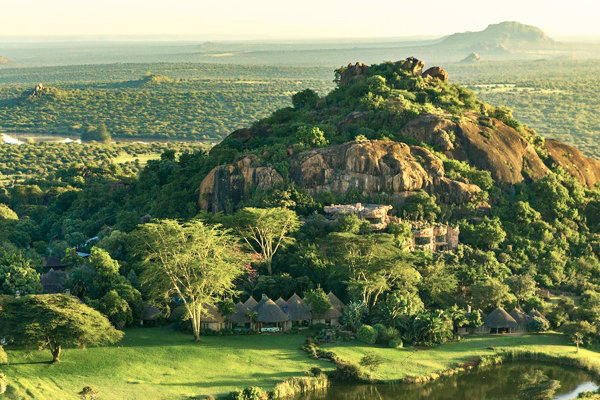
Scenery In Laikipia Plateau, Lewa, and Ol Pejeta Conservancy In Mount Kenya:
The mighty snowcapped peak of Mt Kenya looms over the Laikipia Plateau. Basalt outcrops and lush, forested slopes dot the semi-arid plains. The scenic Ewaso Nyiro and Ewaso Narok Rivers cut through the plateau via spectacular rock gorges.
Steeped in history boasting an unrivaled patchwork of cattle ranches, tribal land, and community-run wildlife conservancies, Laikipia is the ideal adventurer’s playground, perfect for travelers looking to feel the ground beneath their feet, walk in the wild, and become immersed in their natural surrounds.
Overseen by the non-profit Laikipia Wildlife Foundation, the several dozen private and community-owned sanctuaries of the vast Laikipia Plateau now function as Kenya’s second largest wildlife sanctuary and conservancy, encompassing 9,500km2 in total, after Tsavo National Park.
Laikipia is made up mostly of conservancies and ranches, which are knitted together along with the cattle ranches and farms in the region. The conservancies, which include Loisaba, Ol Pejeta, Solio Ranch, Ol Lentille, and Lewa Wildlife Conservancy, have a variety of outreach programs for the local people in their communities, as well as some significant wildlife protection initiatives.
Ol Pejeta Conservancy is renowned for its exceptional conservation initiatives. Its highlights include the largest black rhino sanctuary in East Africa; a population of southern white rhinos; and a refuge for the last two northern white rhinos left in the world (Ol Pejeta Conservancy is where the last male northern white rhino, Sudan, died in 2018; the last females of the sub-species still live at Ol Pejeta and are protected around the clock).
The Sweet Waters Chimpanzee Sanctuary can also be found in the Laikipia Conservancy. The Sweetwaters Chimpanzee Sanctuary houses orphaned and abandoned chimpanzees as well as chimpanzees rescued from the black market.
Visitors and wildlife lovers will also have the opportunity to enjoy a range of exciting experiences such as lion tracking, exhilarating bush walks, and thrilling night drives and safaris.
Best Time to Visit Laikipia Plateau, Lewa, and Ol Pejeta Conservancy In Mount Kenya
You can go on safari at Laikipia Plateau year-round. But in terms of wildlife viewing, the best time to visit Laikipia is during the dry season (June to September) when the game viewing is at its optimum. However, do note that June to October and December through March are considered peak season, and you will need to book in advance to secure your spot in the area.
Reaching Laikipia Plateau, Lewa, and Ol Pejeta Conservancy In Mount Kenya and Accommodations:
You can reach Laikipia either by flying to Nanyuki and transferring to camp by road, or going with a private vehicle and guide from Nairobi, which takes around 5-6 hours depending on traffic! Most guests opt for the flight wanting to make the most of their time. Guests then travel further north to Samburu head to the Mara, or combine a safari in Laikipia with the coast.
This area is vast and served by three main airstrips including Lewa Downs, Nanyuki, and Loisaba. Flying in from Nairobi and then linking to the Mara is the most common circuit, with most lodges within an hour of one of the airstrips. Borana Lodge is a favourite in this area as is Lewa on the neighboring Lewa Conservancy.
With a range of different style properties, including Kicheche Laikipia and Ol Pejeta Safari Cottages, it makes an excellent first stop on a Kenyan safari. Travelers can head to Samburu or the Mara, or combine a safari in Lakipia with the coast.
Arrange and Book with Ultimate Wild Safaris for the Laikipia and Conservancy safari tour in Kenya.
Email: This email address is being protected from spambots. You need JavaScript enabled to view it.
Mobile: +256 705 087 906 / 760 282 342


