
By
Super User
The amazing Lopit tribe in South Sudan | Lopit People | Lopit Culture Of South Sudan
The Amazing Lopit Tribe in South Sudan | Lopit People | Lopit Culture Of South Sudan | South Sudan Culture Safari Tour
The amazing Lopit tribe in South Sudan that less visited by travelers
The amazing Lopit tribe in South Sudan that less visited by travelers
The Lopit people number about 25,000 to 30,000 people. They inhabit the Lopit hills that form the eastern frontiers of the Torit district. The main settlements of the Lopit are Mehejek, Lohotok, and Hiyala.
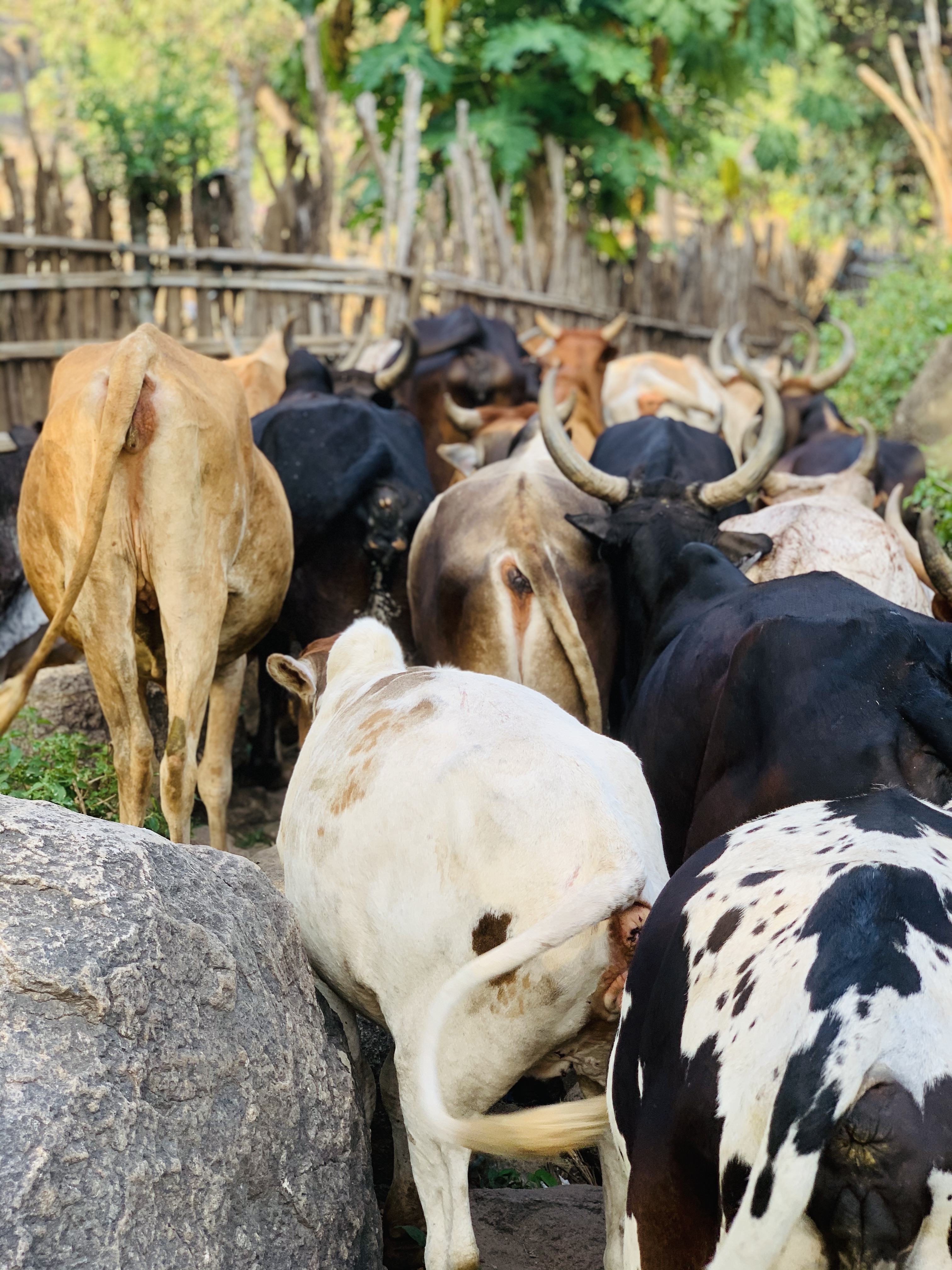
The Lopit live in a hilly environment and are agro-pastoralists practicing traditional agriculture as well as livestock rearing. These socio-economic occupations are carried out both on the mountain slopes and in the plains.
The main crops are sorghum, bulrush, millet, pumpkin; groundnuts, simsim, and okra. They also harvest forest products: honey and shea nuts from which they press oil. The Lopit, like other groups in the area practice extensive hunting. They engage in the trade of various commodities: cattle, groundnuts, sorghum, honey, chicken, handicrafts, okra, calabashes, hoes, and tobacco.
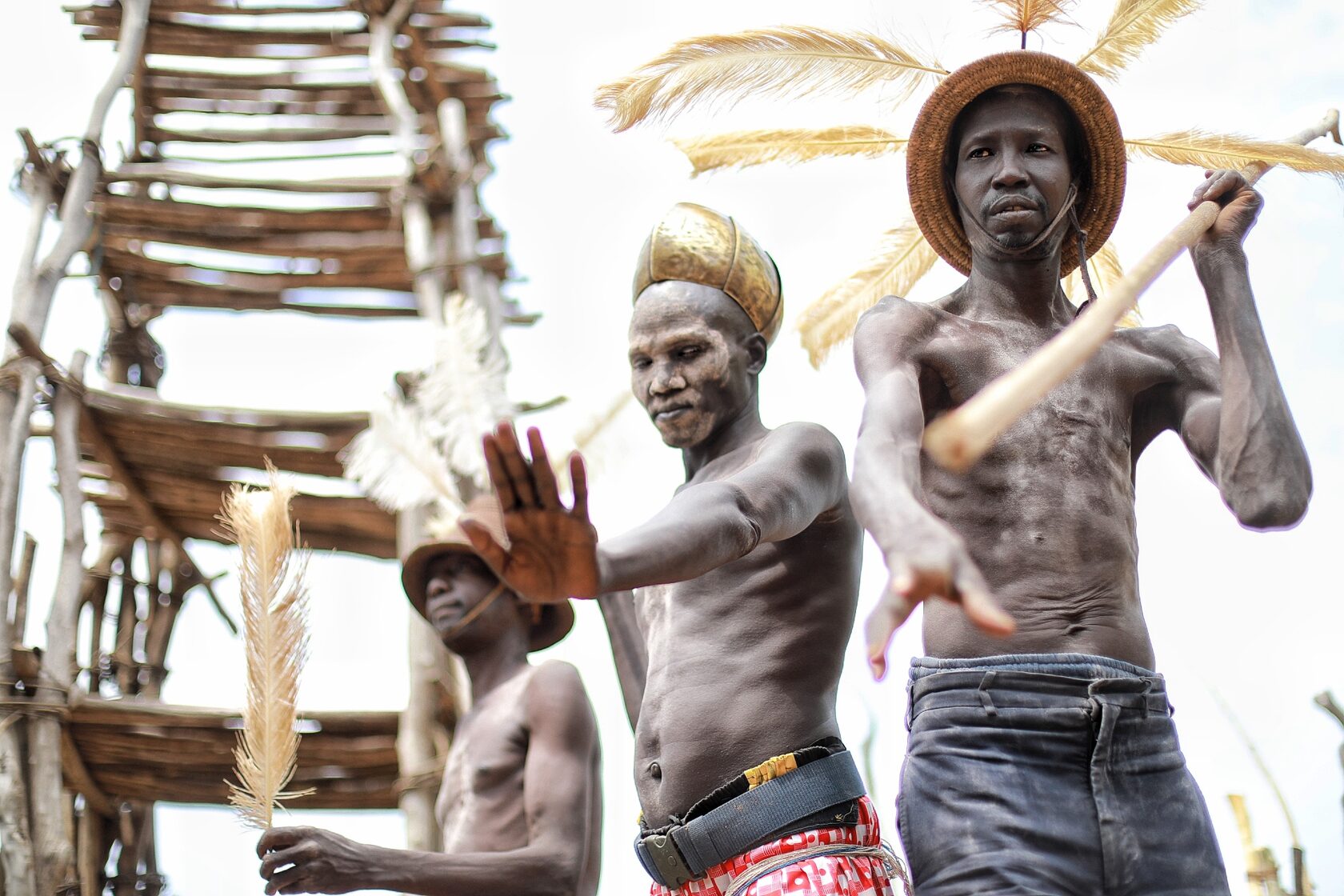
Very little history is known about the origin of the Lopit apart from the widely held view that they came along with the waves of groups migrating from Lake Turkana. The Lopit is said to have broken away from the Dongotono after a quarrel over gazelle soup.
Linguistically, the Lopit belong to the eastern Nilotics and their language is much closer to the Lotuka, Dongotono, and Maasai of Kenya languages. These linguistic similarities give clues to the common origin of these people.
The Lopit are very proud of their cultural entity and this informs most of their attitudes and social life. Their material culture (especially in southern Lopit) is similar to the Otuho while at the same time distinct (especially in central and northern Lopit). They practice several cultural initiations: childhood (naming initiation), adulthood, initiation into the camp (i.e. Mangat), and age-set initiation.
Once a child was born, both the mother and the infant underwent a period of exclusion ranging from 7 to 8 days depending on the sex of the child. This seclusion ended in a naming ceremony in which old women come to the homestead and perform some rituals that are particular to the child’s sex. After this ritual, the mother of the child could now move freely and can go to the river.
When the child reached 14 or 15 years of age, the second life cycle initiation took place. The young adult will be initiated, in a short ceremony into adulthood (dure morwong) for the boys and (hodwo) for the girls.
They are secluded from the rest of the community for a period of 7 days while being looked after by the village spiritual leader. During this period they are served food and water in new calabashes, pots, etc. They then emerged as new human beings with the girls prepared for marriage while the boys get initiated into the ruling age-set ”monyomiji” (ruling class).
Marriage began with courtship in the course of which the girl eloped with her sweetheart and only returned to her parental home after 3 to 5 days. The dowry is then settled and she returns to her new home.
The Lopit like the Lotuka transfers power to the younger age set in an initiation ceremony (hifira) after every 20 or 25 years. The village administration and all other affairs are handed to the new generation. The practice of this initiation slightly differs from one village to the other. Most of the villages in southern Lopit tend to be influenced by the Lotuka practices while those in the center and north have their hifira in a manner quite different from that of Lotuka.
Like all the nationalities of the East Bank Equatoria political and administrative authority over the affairs of the community are exercised by the ruling age-set, monyomiji, which is transferred every quarter of a century. The other political cum spiritual institution among the Lopit is the rain-makers, who also enjoy much authority.
The Lopit believe in a supreme being – God, the spirits, and their spheres. Most of their beliefs and customs are influenced by the Lotuka culture.
Lopit culture is orally transmitted through songs, poems, and music that express feelings and emotions such as love, hate, etc. Most of their physical culture and arts are adapted to warfare, hunting, and other socio-economic activities and the daily life of the people.
The Lopit neighbor: PARI to the north
Tenet, Boya, and TOPOSA to the east
LOTUKA and DONGOTONO to the south and south-west
LOKOYA to the west and
BARI to the North West. More of South Sudan tribes, here are the details:


