
By
Super User
TRAVEL GUIDE TO SUDD WETLAND BIRDWATCHING IN SOUTH SUDAN
TRAVEL GUIDE TO SUDD WETLAND BIRDWATCHING IN SOUTH SUDAN
Located in South Sudan, Sudd is Africa’s largest wetland and one of the largest floodplain wetlands in the world covering over 35,000 square miles in the north-central part of South Sudan and represents one of the largest freshwater ecosystems in the world. It is sustained by the flow of the White Nile (or Bahr el Jebel) from Lake Victoria in Uganda, in addition to rainfall runoff from its surrounding areas and currently being considered a UNESCO World Heritage Site
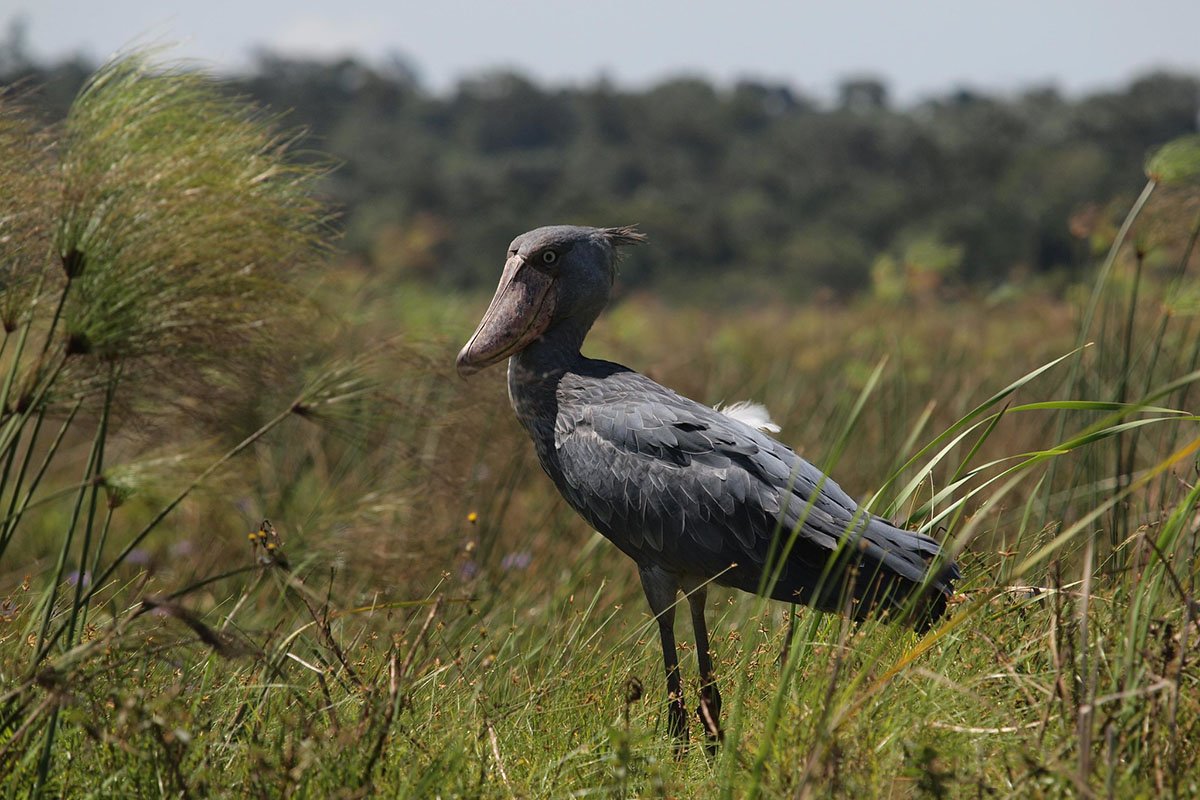
The Sudd wetland is divided into protected areas that include Shambe National Park (1,750 km2), Zeraf (10,961 km2), Meshra (4,432 km2), and Fanyikang (504km2) Game Reserves, all of which are home to some globally endangered or threatened wildlife and bird species such as the elephants, Nile lechwe, white-eared kob, tiang, buffalo, sitatunga and shoebill stork.
The extent of the Sudd wetlands is highly variable; it depends largely on the seasons and years respectively. In the wet season, the size of the wetland increases up to 90,000 km² and gradually decreases to about 42,000 km² depending on high seasonal floods. The White Nile flows northwards from Juba across a shallow depression to produce a network of channels, lagoons, and inundated areas, which harness the nutrients of the wetland ecosystem.
Flood patterns heavily influence Sudd wetland vegetation, which consists primarily of permanent swamps, rivers, rain-flooded grasslands and savannahs, and floodplain woodlands. These habitats exhibit strong environmental gradients with pronounced short and long-term variations in biomass production and distribution.
WILDLIFE IN SUDD WETLAND
Sudd wetland is home to a vast array of flora and fauna with unique ecological species that include various endangered mammalian species, antelope migrations, millions of Palaearctic migratory birds, and large fish populations. Notable wildlife species include the African elephants, buffalos, hippos, Nile crocodiles, sitatunga, Nile lechwe endemic to South Sudan and tiang, kob (white-eared kob), Mongalla gazelles which all undertake large-scale migrations over the relatively undisturbed habitat to the east of the Sudd. The Sudd is also the site of large antelope population migrations in October including the unique and famous Topi antelope. The white-eared kob and tiang migration is an example of superlative natural phenomena of the largest antelope migration in the world, similar to that of wildebeest migration in Serengeti, in the Tanzania ecosystem.
BIRDING
Sudd wetland is also host to several bird species that include the largest population in Africa of shoebills. The Sudd is an important wintering ground for some of the migratory birds such as the Great White Pelican, Black Crowned Crane, White Stork, and Black Tern. The Sudd also forms part of the East-Asian/East African flyway of Palearctic migratory birds, linking breeding ranges in central Europe and Asia with winter ranges to the south. A large number of inter-African migratory birds also depend on the Sudd and surrounding habitats as a dry-season refuge.
FISHING
The Sudd has rich and abundant fish populations, a response to the favorable environmental conditions for recruitment and survival offered by its mosaic of habitat types. Key aquatic habitats range from open water and riverine to lacustrine, which all offer growing, feeding, and survival grounds for over a hundred species of fish and these include Nile perch, Nile tilapia, Nile carp, Elongate tiger fish, African sharp tooth catfish, Senegal bichir, Marbled lungfish, Redbelly tilapia, Mango tilapia, African Arowana amongst others. There are also endemic Nile dwarf fish species found in the Sudd wetland.
HUMAN SETTLEMENT
Approximately 1 million people are inhabiting the Sudd wetland region mostly indigenous tribes who have occupied the wetland for thousands of years. The tribes include the Nuer, Dinka, Shilluk, and Anyuak all of which are Nilotic and pastoralist peoples indigenous to the Nile Valley. These groups have developed traditions that have allowed them to adapt to the variable conditions across the Sudd through a combination of nomadic agro-pastoralism, non-timber forest product collection, and fishing. Specific practices include the seasonal construction of settlements on small islands in flooded areas and traditional hunting and fishing techniques. The cultural beliefs and practices also serve to support and conserve the environment they live in. For example, the cultural beliefs of the Shilluk community living within the Sudd area are an important aspect in the preservation of the Nile lechwe (antelope species endemic to South Sudan) as they consider killing the animal species taboo.
BOAT CRUISE
Visitors can take boat rides within the Sudd swamp waters where they go fishing, and enjoy bird watching with sights of birds such as the shoebill stork. One also gets to see aquatic mammals such as the hippos and aquatic reptiles such as the Nile crocodiles.
The Sudd wetland is easily accessible and accommodation is also readily available. Arrange with ULTIMATE WILD SAFARIS for this wonderful expedition.
Email: This email address is being protected from spambots. You need JavaScript enabled to view it.
Mobile: +256 705 087 906 / 760 282 342


